
Choosing the best time to visit Guatapé
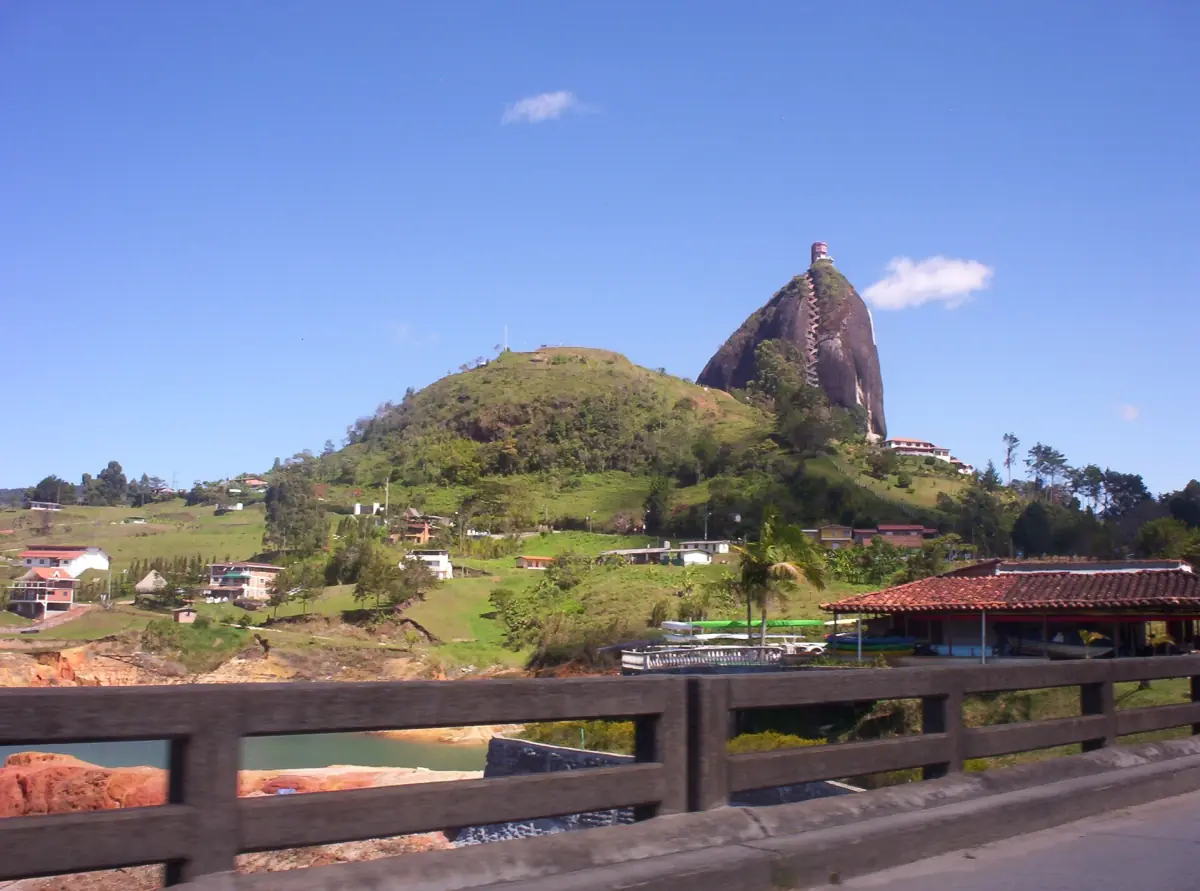
The best time to visit Guatapé depends on whether your priority is the rock staircase, the town streets or an activity on the reservoir. Start with that choice and leave some room to change the order of your visit. Historical rainfall patterns can help you compare parts of the year, while the summit view on your chosen day depends on the conditions at that time.
Think about the journey as well as the weather. A day with several activities needs a realistic return plan, while an overnight stay can separate the town visit from the climb. Use the transport guide to organise the journey and the accommodation area guide if you want to spread your plans over a stay.
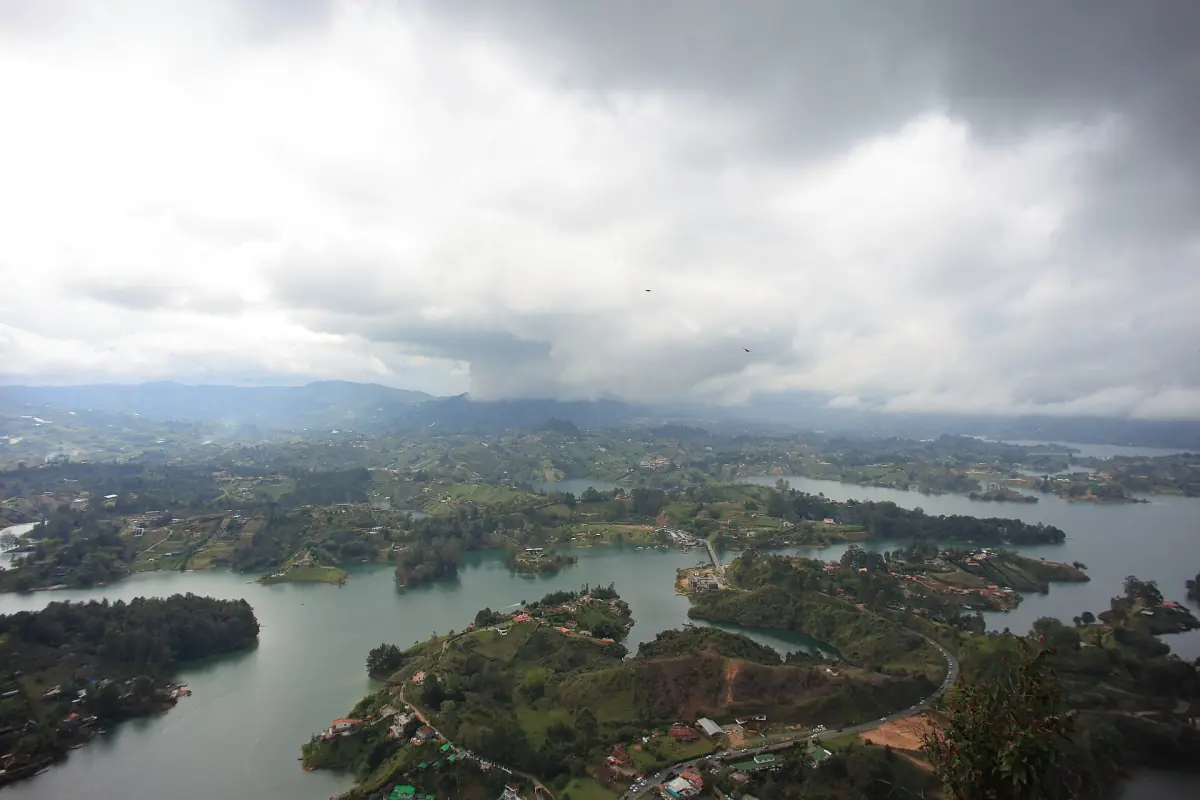
What historical rainfall patterns can tell you
The regional table below comes from IDEAM's Rionegro airport information dated 4 October 1999. It is outdated, and its reference period is unknown. Within that historical table, January and February are drier than April and May and than September and October. There is also a relative decrease in July. Those comparisons describe the old regional dataset rather than a current forecast for Guatapé.
Use the pattern as background when several travel dates are otherwise equally convenient. Avoid building a tightly packed itinerary around an expectation of dry weather. In particular, Rionegro airport is not a station in Guatapé or on the exposed rock summit. Conditions for a walk, a staircase climb and a water activity should each be considered when you prepare the actual day's programme.
A local water activity
The short jetski rental is an option to consider when planning time at the reservoir.
Hand-picked tours, booked through GetYourGuide. Prices are indicative starting prices in US dollars (as of October 2026). Tap a tour for live availability and the current price in your currency.
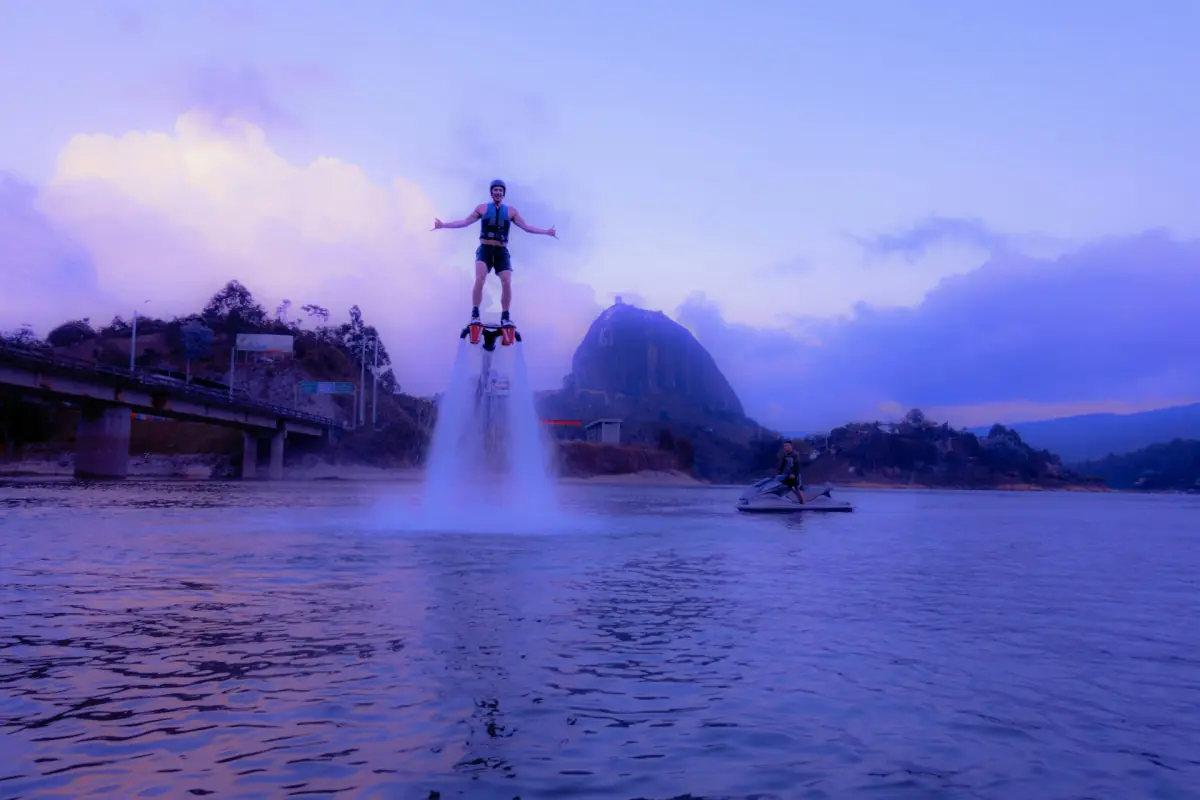
Jetski as a local activity example
A 30-minute rental with a life jacket and instruction; travel to the meeting place is separate and the activity depends on conditions.
Regional weather table: historical context
Source: IDEAM, José María Córdova Airport, Rionegro, dated 4 October 1999. OUTDATED DATA (VERALTET); reference period unknown. The maximum and minimum columns are mean daily highs and lows, not absolute temperature records. These are historical regional figures, not current Guatapé climate normals or summit measurements.
Read each month as a row from that old table. The rainfall column is useful for the relative comparisons described here, while the temperatures help explain what the historical airport table contains. Keep that limited purpose in mind when choosing clothing and checking conditions close to departure. For visibility, the timing of rain during a day and activity operation, use current information close to your visit.
| Month | Mean high °C | Mean low °C | Rainfall mm |
|---|---|---|---|
| January | 24.1 | 9.6 | 59.5 |
| February | 24.7 | 9.4 | 84.3 |
| March | 24.8 | 9.2 | 122.8 |
| April | 24.5 | 10.0 | 200.9 |
| May | 25.0 | 10.3 | 232.1 |
| June | 24.2 | 9.3 | 169.5 |
| July | 24.0 | 8.0 | 134.2 |
| August | 24.5 | 8.2 | 164.0 |
| September | 24.3 | 9.0 | 202.5 |
| October | 24.0 | 9.3 | 205.0 |
| November | 23.8 | 9.2 | 169.9 |
| December | 23.8 | 9.3 | 99.8 |
A weather-dependent activity on the reservoir
A local jetski rental offers a short activity to consider if being on the water is your main interest. The session lasts 30 minutes and includes a single or double jetski, a life jacket, basic instruction, safety-team accompaniment and riding within the permitted area. Transport to the location is separate. Place the activity in your schedule only after considering both your journey to the meeting place and the day's operating information.
For navigation on the reservoir, wear the life jacket from boarding throughout the trip. The transport ministry's safety notice of 1 June 2026, updated 17 July 2026, prohibits boarding while intoxicated and consuming alcohol or drugs during navigation. Check current local instructions as well: temporary restrictions can affect water activities. A month with a lower historical rainfall figure is no assurance that a particular session will operate.
Weekends, the return journey and flexible plans
Weekend traffic deserves space in your schedule. Confirm the arrangements for the return you actually intend to take and avoid making the last activity depend on a narrow connection. Choosing a weekday can be a practical preference, but leave a margin rather than expecting a fixed road journey or empty stairs. Your transport plan remains part of the decision about when to visit.
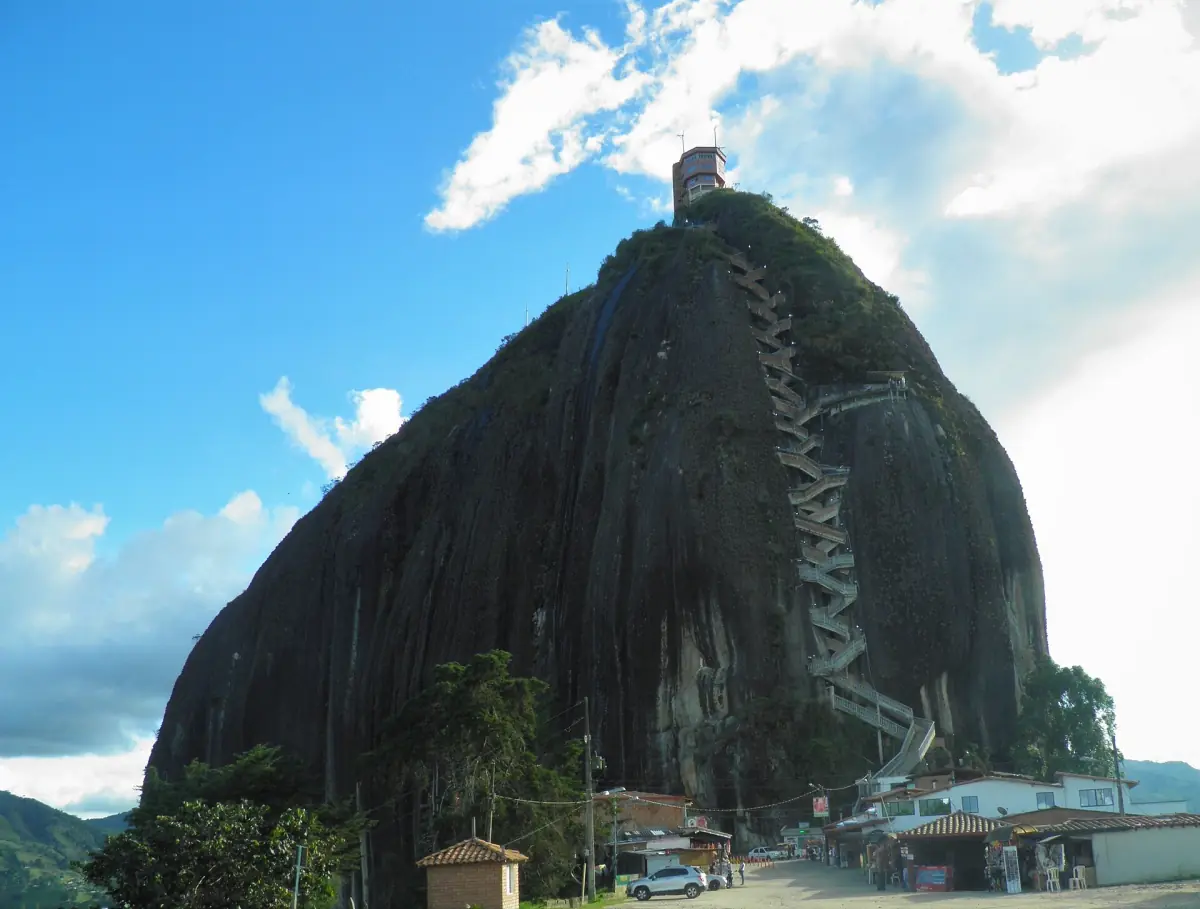
Prepare an alternative emphasis for the day: perhaps more time looking at zócalos in Guatapé, or a rock visit when conditions and your fitness suit the climb. Treat these as different activities with their own practical requirements. For water plans, read the watersports guide and follow the day's instructions. A flexible plan works by leaving choices open, including the choice to move an activity to another part of your itinerary.
Questions about planning your visit
Which months were relatively drier in the old table?
January and February were drier than April and May and September and October. July showed a relative decrease. This describes outdated Rionegro data, not a forecast.
Does the table predict clear views from the rock?
Use a current forecast and the practical guidance for your visit day. The table is historical airport information from a different setting.
Can I plan watersports solely by month?
Check operating information and local instructions for your chosen day. Build in time to reach the activity and leave room for a change of plans.